Home Renovation Cleanup Guide for Dallas Fort Worth Homeowners
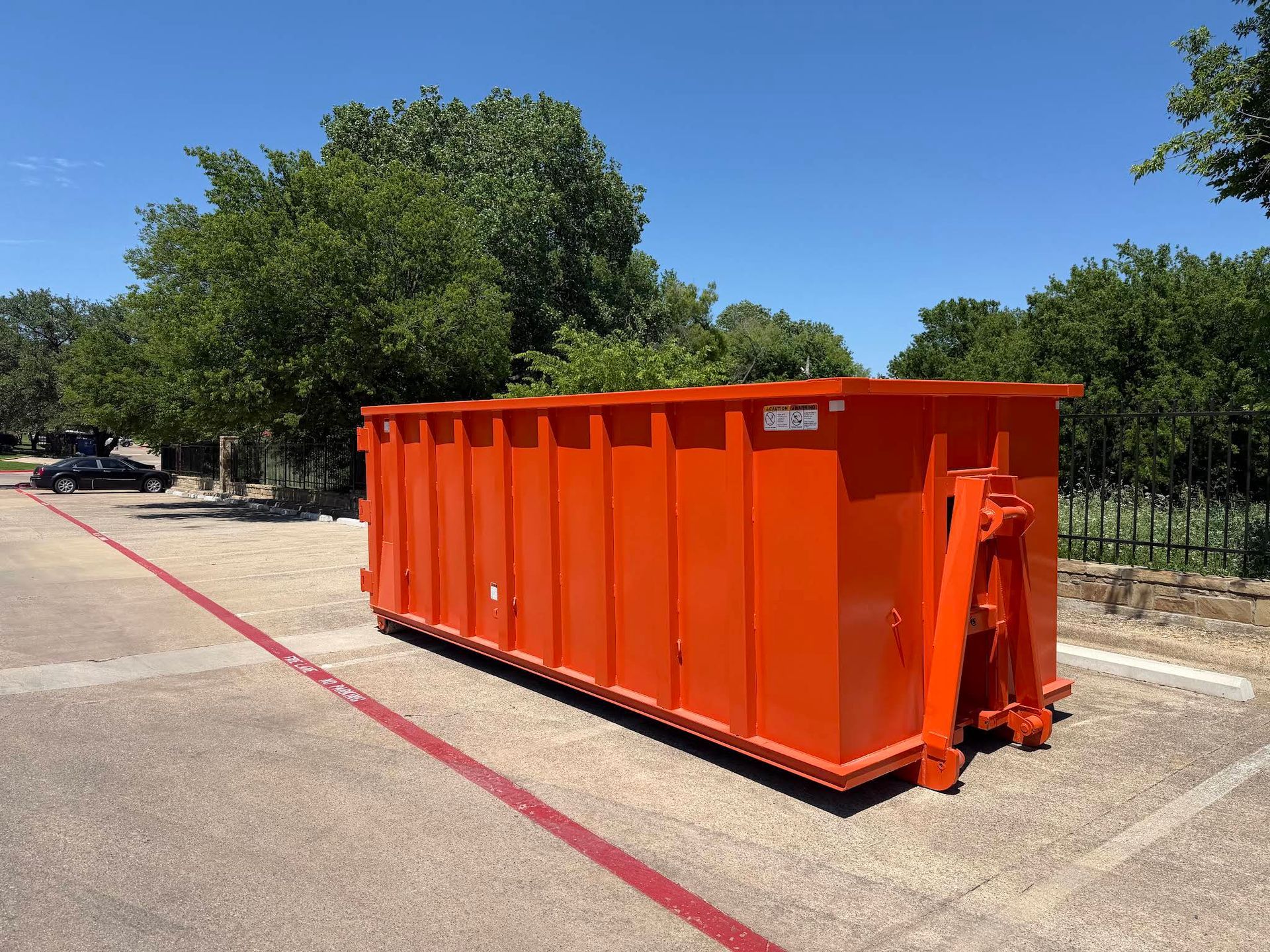
Planning a home renovation in Dallas Fort Worth starts with booking a home renovation dumpster rental before demolition begins, choosing a placement spot that protects the driveway, and scheduling pickup or a swap-out around the project timeline. Most single-room renovations fit in a 10 to 15 yard dumpster, whole-home projects usually need 20 yards or more, and driveway placement generally requires no permit while street placement does.
Debris piles up fast once a renovation gets underway. Drywall scraps, old cabinetry, flooring remnants, and packaging waste can fill a garage within days, and waiting until the mess is overwhelming to plan for disposal only slows the project down. A home renovation dumpster rental works best when it gets booked before demo day starts, not scrambled together once the driveway is already stacked with debris.
For homeowners across Dallas Fort Worth, planning debris removal means thinking through volume, placement, and pickup timing at the same stage as selecting a contractor and finalizing a renovation budget. This guide walks through every phase of that plan, from estimating how much debris a project will generate to scheduling the final pickup once the crew packs up. Whether the project is a single bathroom refresh or a whole-home remodel, the goal stays the same: keep the jobsite clear, protect the property, and avoid the scheduling gaps that stall a renovation timeline.
Planning Debris Removal Before the Renovation Starts
Every renovation generates a different volume of debris, and estimating that volume early makes it easier to choose the right dumpster rental for remodeling instead of guessing mid-project. A single bathroom gut typically produces one to two tons of debris, including tile, drywall, and old fixtures. A kitchen remodel often runs heavier, especially when cabinetry, countertops, and flooring all come out at once, and whole-home renovations can generate several dumpster loads depending on the scope of demolition.
General renovation planning resources can help homeowners get a sense of what a typical renovation timeline looks like before committing to a debris removal plan, though local factors in DFW, like permit turnaround and driveway access, still shape the final schedule.
Delivery timing matters as much as sizing. Scheduling a home renovation dumpster rental to arrive the day before demolition begins, rather than the day work starts, gives the crew a place to toss debris from the first hour of teardown instead of piling it in a hallway or yard. For projects with a defined demo phase, such as gutting a kitchen over two or three days, lining up delivery with that window keeps the site organized from the start.
Coordinating with a contractor's schedule closes the loop. Contractors often have a rough sense of how fast debris accumulates based on the scope of work, and looping them in on delivery and pickup dates prevents a dumpster from arriving too early and blocking a work truck, or too late and leaving debris scattered around the property. A quick call to confirm start dates, expected debris volume, and any weight limits before booking keeps the entire renovation on schedule from the first day of work.
Choosing a Placement Spot on the Property
Where a dumpster sits during a renovation affects everything from daily access to the condition of the property once the project wraps. Driveways are the most common placement spot because they offer flat, stable ground and keep the container close to the house, but yard placement can work for homes with limited driveway space, as long as the ground is dry and level enough to support the weight.
How to protect driveway dumpster damage comes down to a simple step: placing wood boards, plywood sheets, or rubber padding under the container's rails before it's set down. Roll-off containers are heavy even before they're loaded, and setting one directly on bare concrete or asphalt, especially during a Texas summer when pavement softens in the heat, raises the risk of cracking or indentation.
HOA and city permit rules vary across DFW suburbs, and a placement plan needs to account for both. Homes in Arlington, Grapevine, and similar planned communities may have HOA guidelines around how long a dumpster can stay on a driveway or whether it needs to be screened from street view, and homeowners searching for a dumpster rental in Arlington should check with their HOA before booking. On the city side, placement entirely on private property, like a driveway or yard, typically does not require a permit, while placement on a street or public right-of-way does. Confirming both sets of rules before delivery day avoids a last-minute scramble to relocate a dumpster that's already been dropped off.
What to Expect on Delivery Day
Delivery day for a home renovation dumpster rental typically starts with a scheduled arrival window rather than an exact time, since roll-off trucks work through multiple stops in a single route. Most DFW providers confirm a morning or afternoon window the day before delivery, which gives homeowners time to prepare the drop site.
Clearing the placement spot ahead of time speeds up delivery. Moving vehicles out of the driveway, trimming overhanging branches that could catch the truck's lift arm, and marking the exact spot with cones or chalk all help the driver place the container correctly on the first attempt. Anything fragile or valuable stored near the driveway, like potted plants or bikes, should be moved well clear of the drop zone.
Placement confirmation happens once the container is on the ground. Walking the driver through the intended spot before the dumpster comes off the truck, rather than after, prevents a container from landing somewhere that blocks a garage door, a side gate, or a neighbor's shared driveway. For narrower DFW lots, especially in older neighborhoods near central Dallas or Fort Worth, confirming clearance on both sides of the container avoids a situation where the dumpster has to be repositioned later in the rental period. Sharing the delivery window with a contractor or work crew in advance also helps, since a truck blocking the driveway during drop-off can delay a crew's own arrival on the first day of demolition.
Managing Debris Throughout the Project
Once a home renovation dumpster rental is in place, how debris gets loaded determines whether it lasts through the whole project or fills up halfway through demo. Breaking down large pieces, like cabinetry or drywall sheets, before tossing them in creates more usable space than throwing bulky items in whole. Loading heavier materials first and distributing weight evenly across the container also prevents the dumpster from tipping unevenly or exceeding weight limits on one side.
Separating recyclable materials during the renovation, rather than sorting everything at the end, saves time and can reduce disposal costs depending on the provider. Metal fixtures, clean wood, and certain flooring materials are often accepted separately from general construction debris, and checking with the rental provider about local recycling options before the project starts avoids confusion about what belongs in the main container.
Long renovations, particularly whole-home projects that stretch several weeks, often generate more debris than a single dumpster can hold. Requesting a swap-out, where a full container gets hauled away and replaced with an empty one, keeps the jobsite from getting backed up with debris that has nowhere to go. Most providers recommend calling for a swap once a dumpster reaches capacity rather than waiting until it's overflowing, since an overloaded container can be turned away at the landfill or refused for pickup. Planning for at least one swap-out on a multi-week renovation, and building that cost into the overall project budget, keeps debris removal from becoming a bottleneck partway through the work.
Weight limits matter just as much as volume. Renovation debris like tile, drywall, and concrete is dense, and a container that looks half full by volume can already be at its tonnage limit. Checking the weight allowance included with a home renovation dumpster rental before loading heavy materials helps avoid overage fees, and spreading dense debris across multiple loads, or requesting a heavier-duty container upfront, helps control costs on renovations involving tile removal or concrete demo.
Renovation Debris by Room
Debris volume and material type shift depending on which room is being renovated, and planning around those differences helps avoid running out of space mid-project.
Kitchen Remodels
Kitchen remodels generate a mix of heavy and bulky debris, including cabinetry, countertops, appliances, and flooring. Granite or quartz countertops add significant weight fast, so sizing a dumpster with enough tonnage allowance matters more here than in most other rooms. Breaking cabinets down into panels rather than tossing them whole also frees up considerable space inside the container.
Bathroom Remodels
Bathroom remodels typically produce smaller debris volumes than kitchens but often include tile, which is dense and can fill a weight limit quickly even in a smaller dumpster. Old tubs, vanities, and toilets add bulk on top of tile debris, and a 10 to 15 yard dumpster usually covers a single bathroom gut without needing a swap-out.
Flooring Replacement
Flooring replacement debris varies widely depending on the material coming out. Carpet and padding are bulky but light, while hardwood, tile, and old subflooring add real weight. Renovation debris removal Dallas homeowners handle most often during flooring projects involves separating old flooring from padding and underlayment, which can sometimes be recycled separately from general debris.
Whole-Home Renovations
Whole-home renovations combine debris from every room at once, and the volume adds up quickly across kitchens, bathrooms, flooring, and structural work. Older homes undergoing whole-home renovations, particularly those built before 1978, may also involve lead paint removal, and EPA guidance on renovation and lead-safe work practices is worth reviewing before demolition starts in homes from that era. A larger 20 yard dumpster, paired with at least one planned swap-out, generally handles the combined debris load better than trying to stretch a single smaller container across the entire project.
Scheduling Pickup Once the Work Is Done
Scheduling pickup for a home renovation dumpster rental usually just requires a call or online request once the project debris is loaded and the work is finished. Most DFW providers ask for at least a day's notice, though same-day or next-day pickup is often available for straightforward jobs.
Before pickup, a quick check of the container helps avoid delays. Confirming that debris sits below the fill line, that nothing prohibited, like paint cans, batteries, or tires, ended up in the load, and that the area around the dumpster is clear enough for the truck to access it all help pickup happen on the first attempt. Overloaded containers or blocked access are the most common reasons pickup gets rescheduled.
Turnaround time for pickup in the DFW area generally runs one to two business days from the request, though scheduling pickup a few days ahead of a hard deadline, like a closing date or a move-in, gives some buffer in case of weather delays or a fully booked route. Confirming the exact pickup window the day before also helps make sure someone is available if the provider needs access to gated property or a locked side yard.
Frequently Asked Questions
How do I dispose of renovation waste?
Most renovation waste gets disposed of through a rented roll-off dumpster, which allows debris to accumulate throughout the project and get hauled away in one trip once work wraps up. Certain materials, like paint, batteries, and electronics, typically need separate disposal through a local hazardous waste facility rather than going into a construction dumpster. For larger volumes, sizing up rather than requesting multiple small dumpsters usually costs less overall.
Does a dumpster damage a driveway?
A dumpster can leave marks or cracks on a driveway if it sits directly on bare concrete or asphalt, particularly during hot weather when pavement softens. Placing wood boards or plywood under the container's rails before delivery significantly reduces that risk and is a standard step most DFW rental providers recommend. Confirming placement type with the rental provider ahead of delivery, including whether the driveway is sloped or has any existing damage, also helps document the property's condition beforehand.
How long can I rent a dumpster for a renovation?
Standard rental periods usually run 7 to 14 days, which covers most single-room renovations. Whole-home projects or renovations with delayed timelines often need an extension or a swap-out, and confirming the rental period and any daily extension fees before booking prevents surprise charges if the project runs long. Booking delivery a day or two before demolition begins, and pickup a day or two after the final trade finishes, builds in a buffer without leaving a mostly full container sitting idle.
Can I put a dumpster on the street in DFW?
Placement location is the main factor city permitting offices look at when reviewing a request. Placing a dumpster on a street or public right-of-way in DFW cities generally requires a permit, while placement entirely on private property, like a driveway, typically does not. Fort Worth's street use permit page outlines the process for that city specifically, and other DFW cities have similar requirements through their own public works departments.
Planning Ahead Keeps a Renovation on Track
Debris removal is one of the few parts of a renovation that can be fully planned before a single wall comes down, and doing that planning early avoids the scramble that happens when a garage fills up with drywall scraps and old fixtures. Booking a home renovation dumpster rental ahead of demo day, choosing a placement spot that protects the driveway, and scheduling pickup around the actual finish date all keep a DFW renovation on schedule from start to end.
Call
(817) 523-1722 ahead of a renovation start date to lock in delivery timing. Rental periods stay flexible, and pickup gets scheduled once the project wraps, so the debris removal plan can adjust as the renovation timeline shifts. For
more renovation and cleanup guides, additional topics like dumpster sizing and seasonal cleanup projects across the DFW area are covered on the blog.
Recent Posts